We deploy AI agents
into your business.
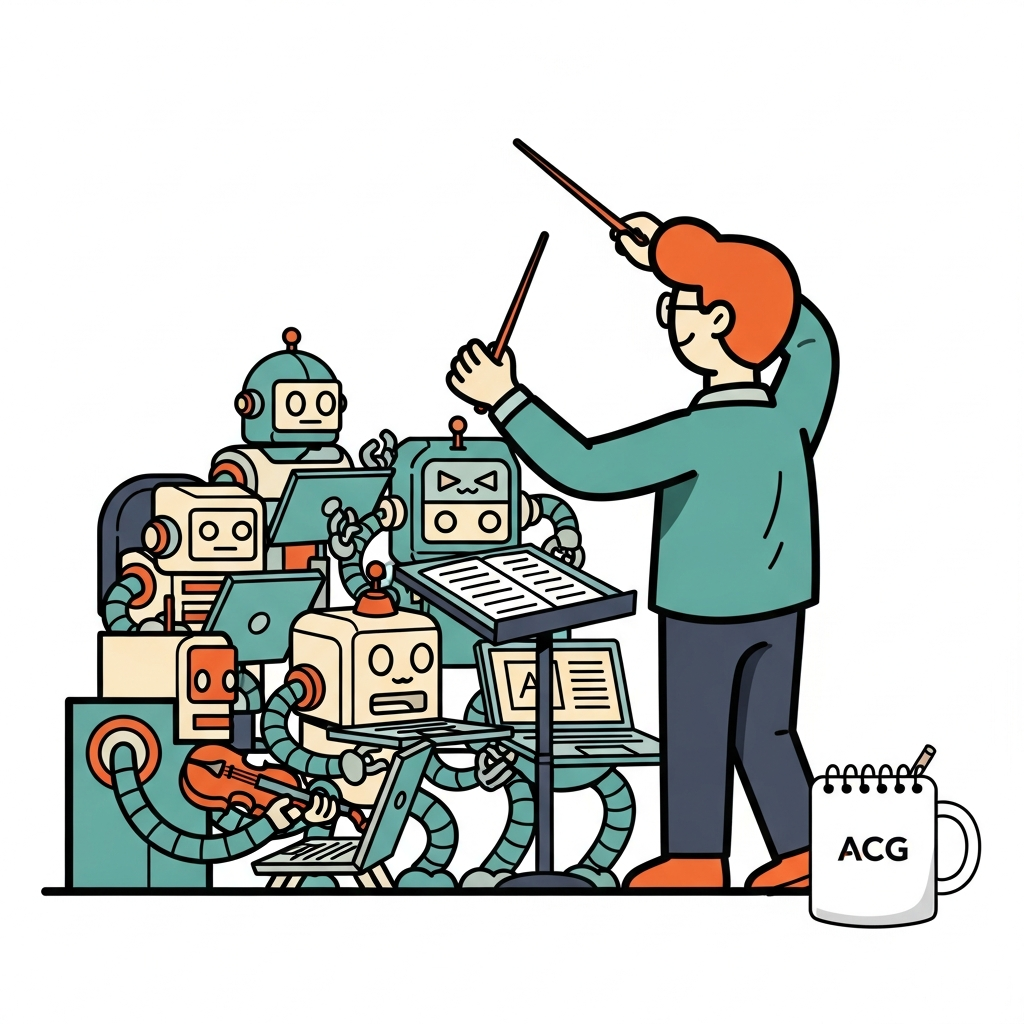
Not slide decks. Not strategy memos. Working systems that do real work, embedded in your operations.
The Thesis
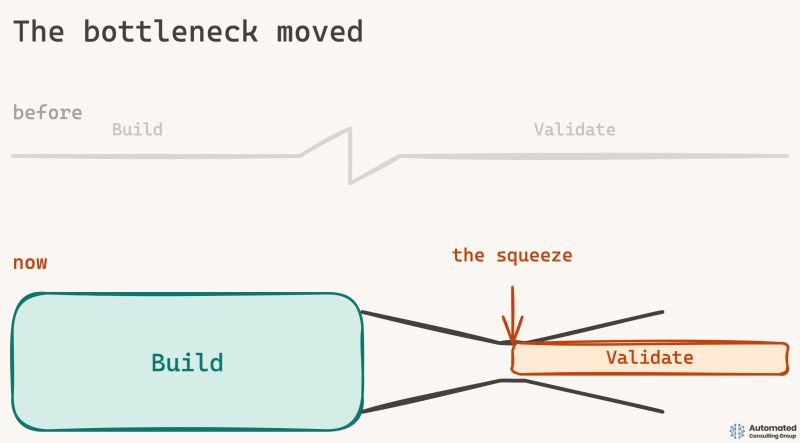
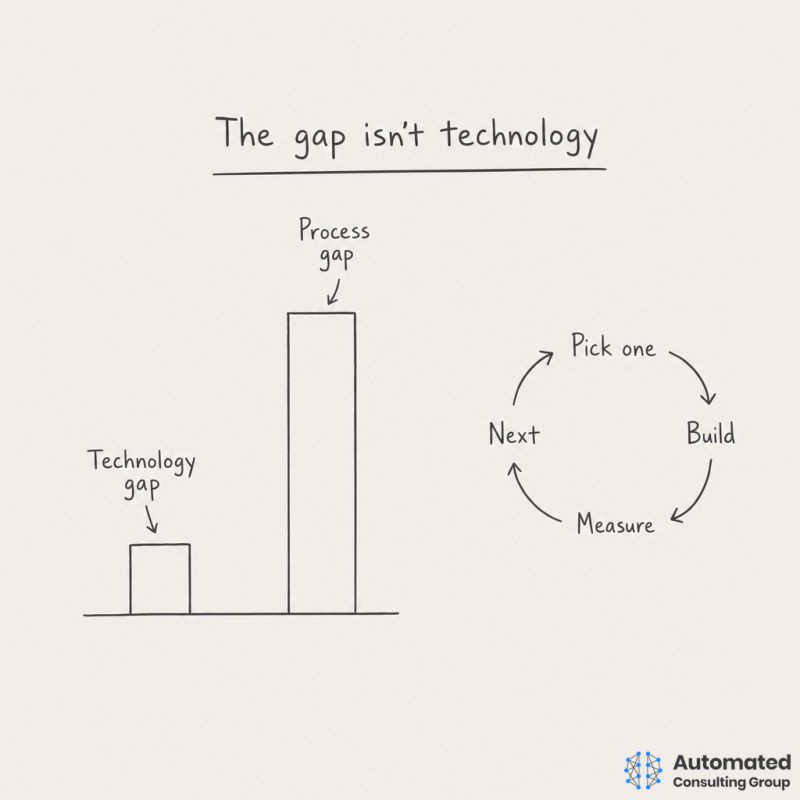
The AI bottleneck is no longer intelligence. It's implementation.
Models are good enough. Tools are everywhere. Value goes to the team that can get inside the business, understand the workflow, and make agents work in production.
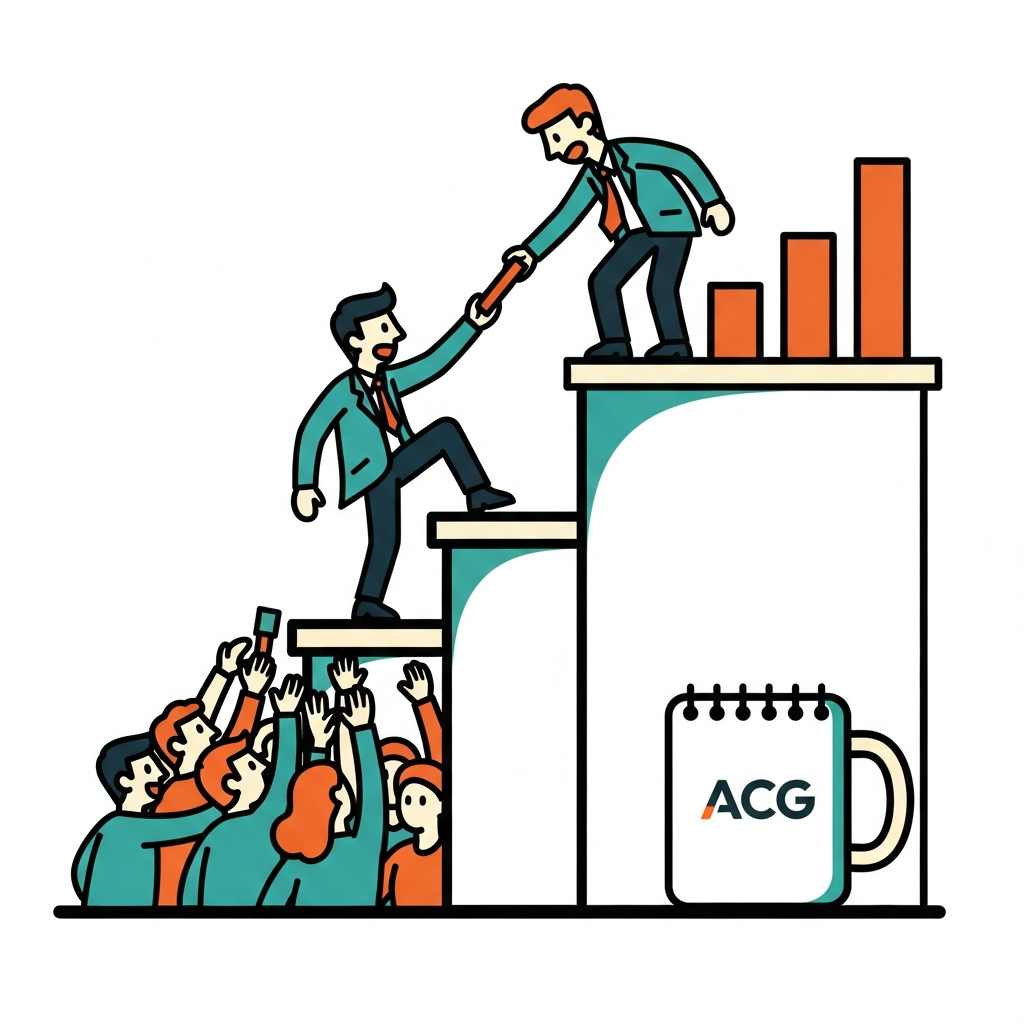
We embed inside your organization. We don't advise from a distance.
You own everything we build. No vendor lock-in. No dependency.
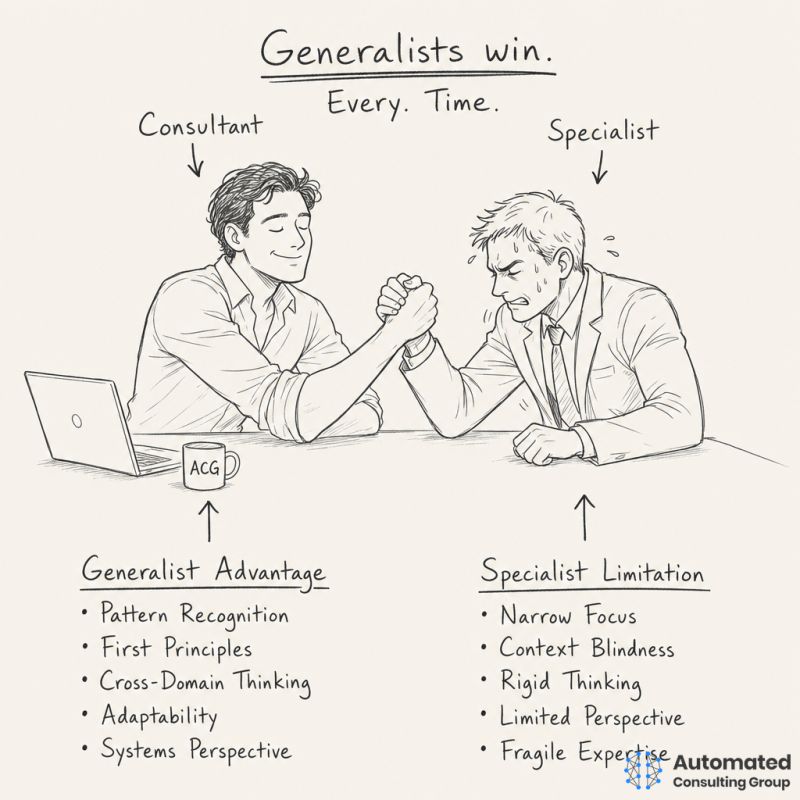
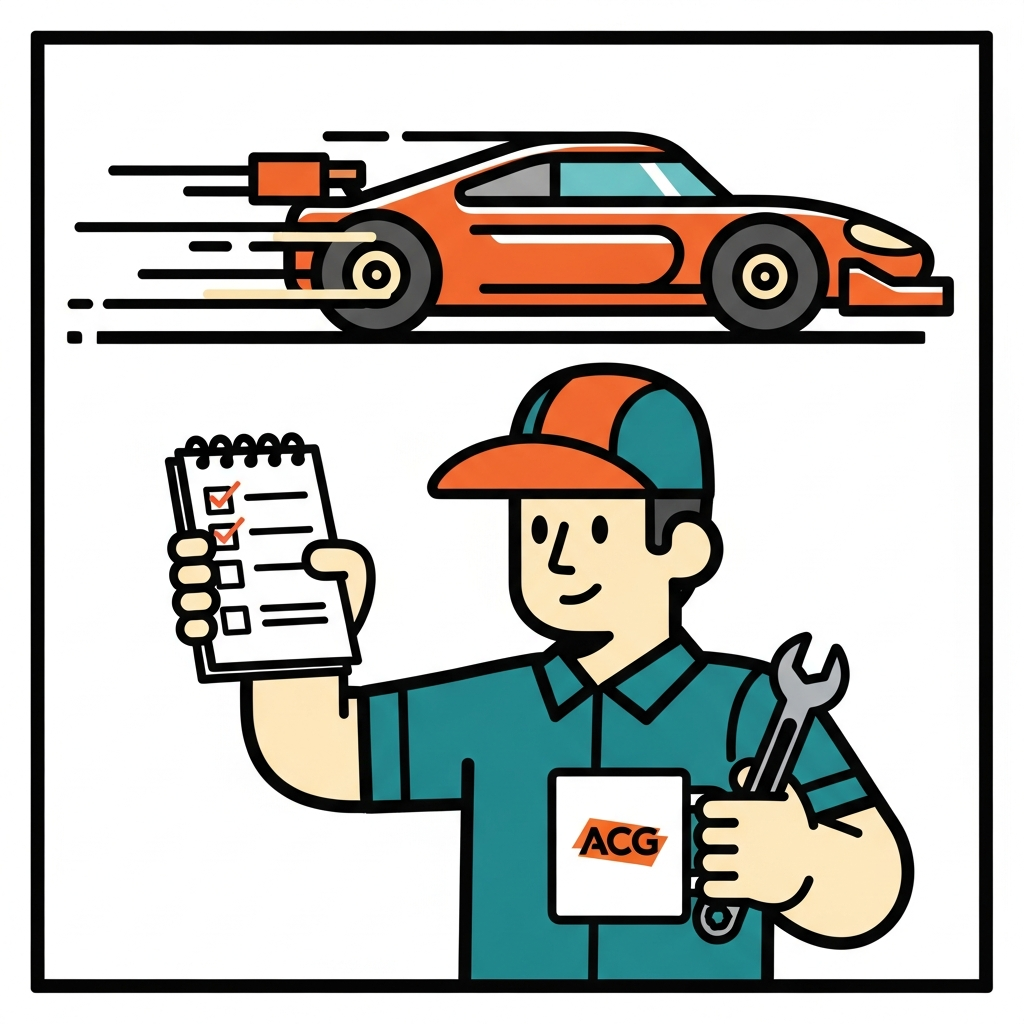
Operators who build. Not analysts who advise.
AI opportunities identified
Mapped across every department of a $600M national retailer
AI roadmap board-approved
Multi-year transformation plan for a $1B research organization
AI companies founded & acquired
Automated Insights, Infinia ML, Bionic Health
Years building AI systems
From early NLP to modern agent architectures
Days from kickoff to working agents
Quick wins in 30, deployed systems by 90
Industries served
Retail, healthcare, financial services, legal, pharma, PE, manufacturing, research
Most companies don't have an AI problem.
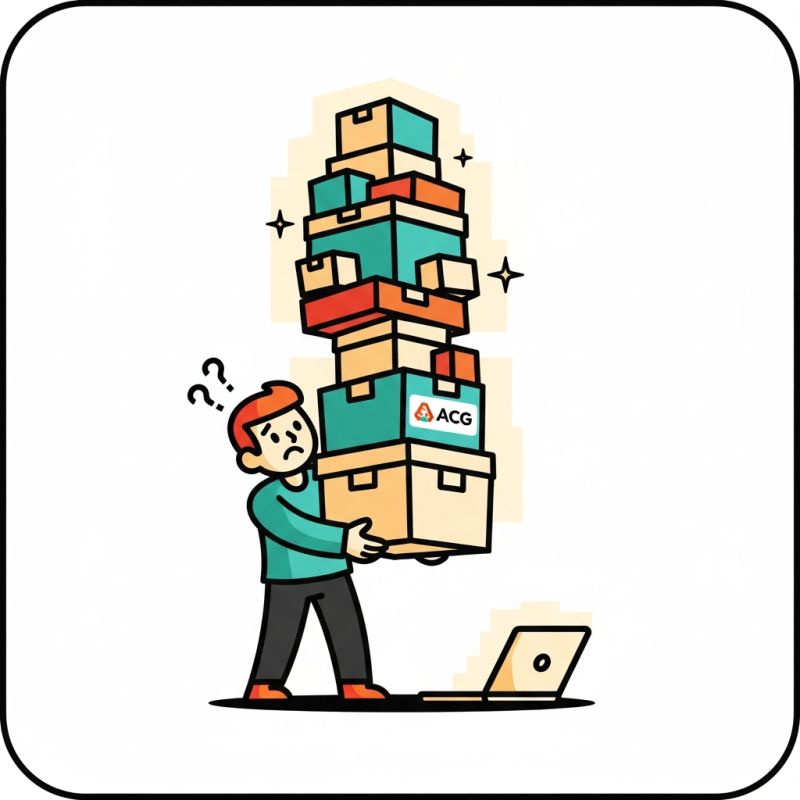
They have a deployment problem.
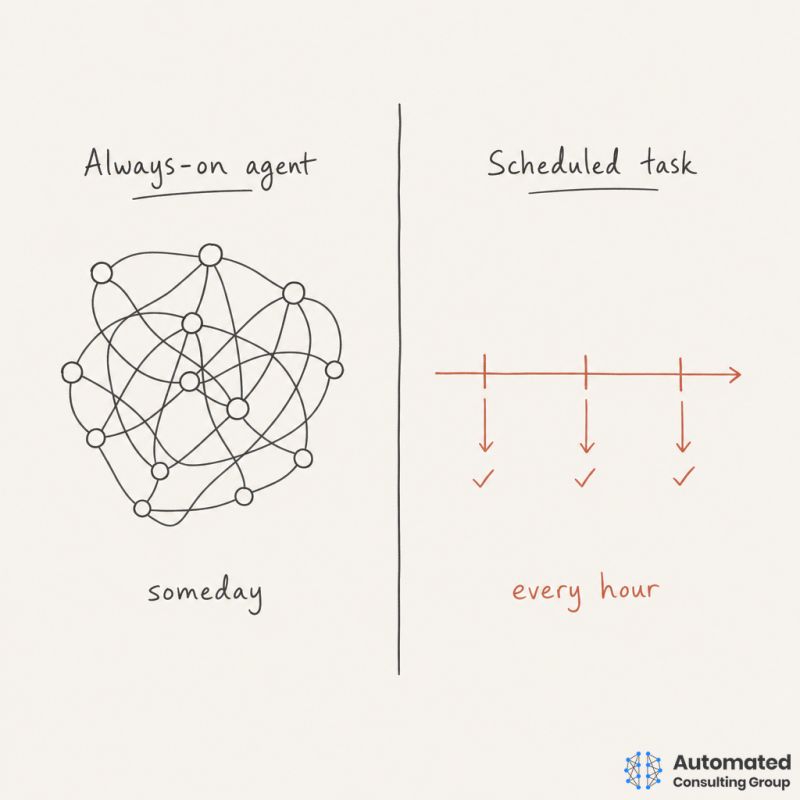
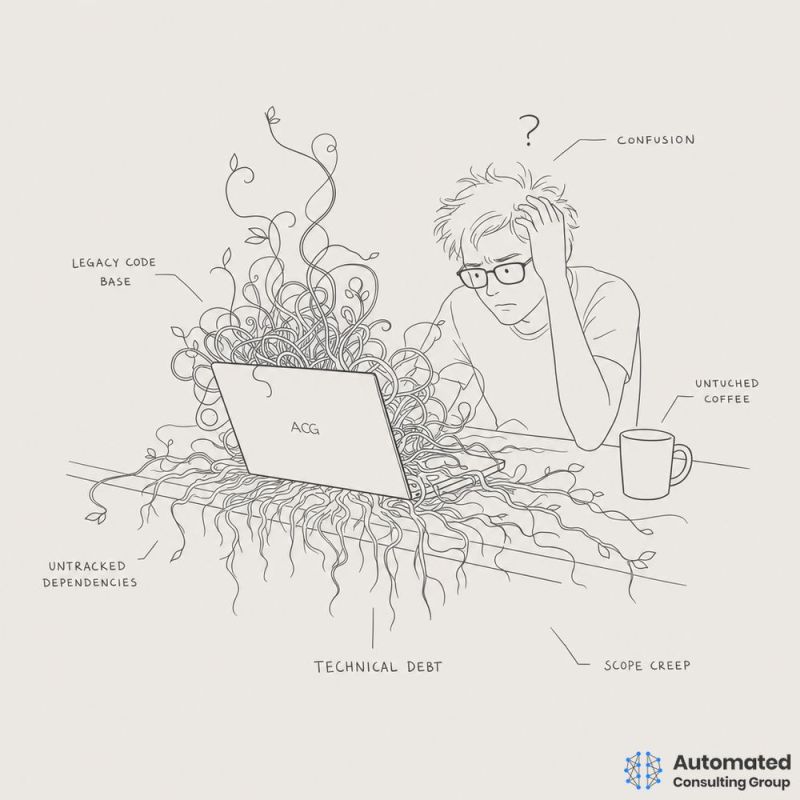
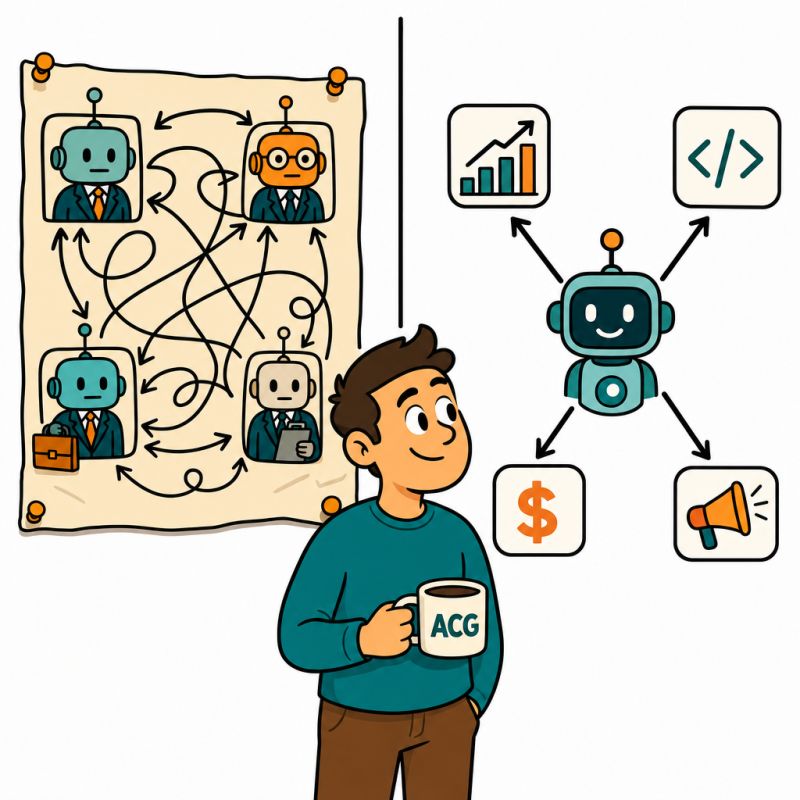
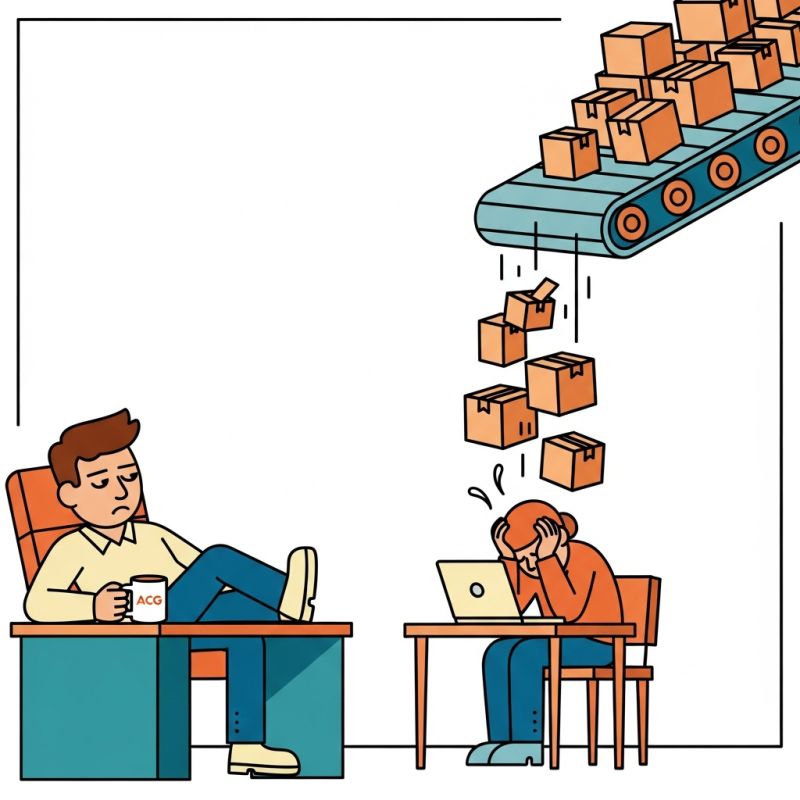
This is what the bottleneck looks like inside a mid-market company. Lots of experimentation. Very little operational change.
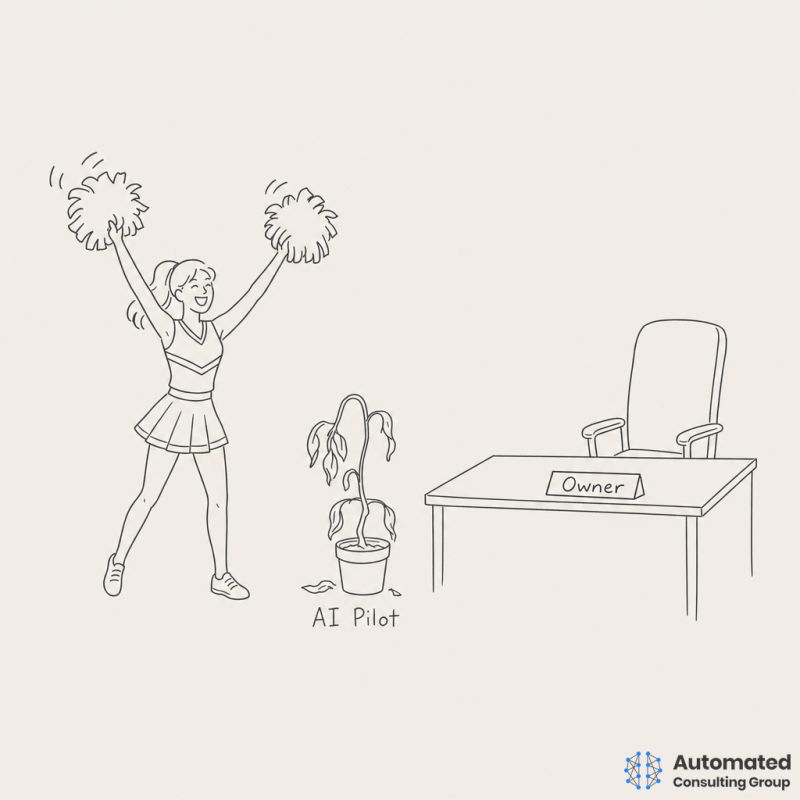
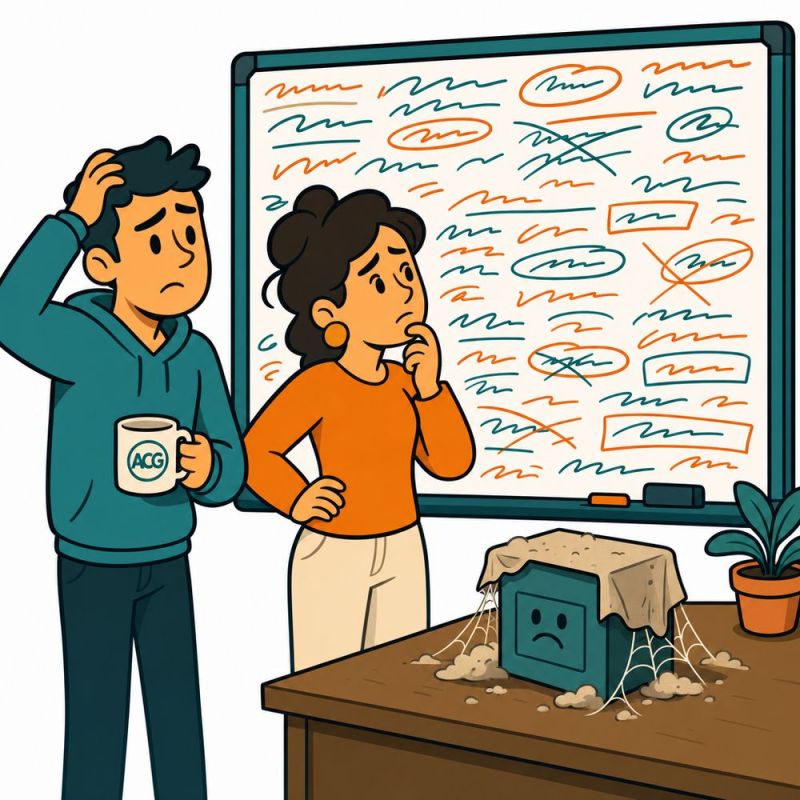
Your team ran an AI pilot. It went nowhere.
You bought Copilot licenses. Nothing changed.
Your board keeps asking for an AI plan. You don't have one yet.
People are experimenting in silos, but no workflow actually changed.
You don't have a technical team that can deploy agents into real systems.
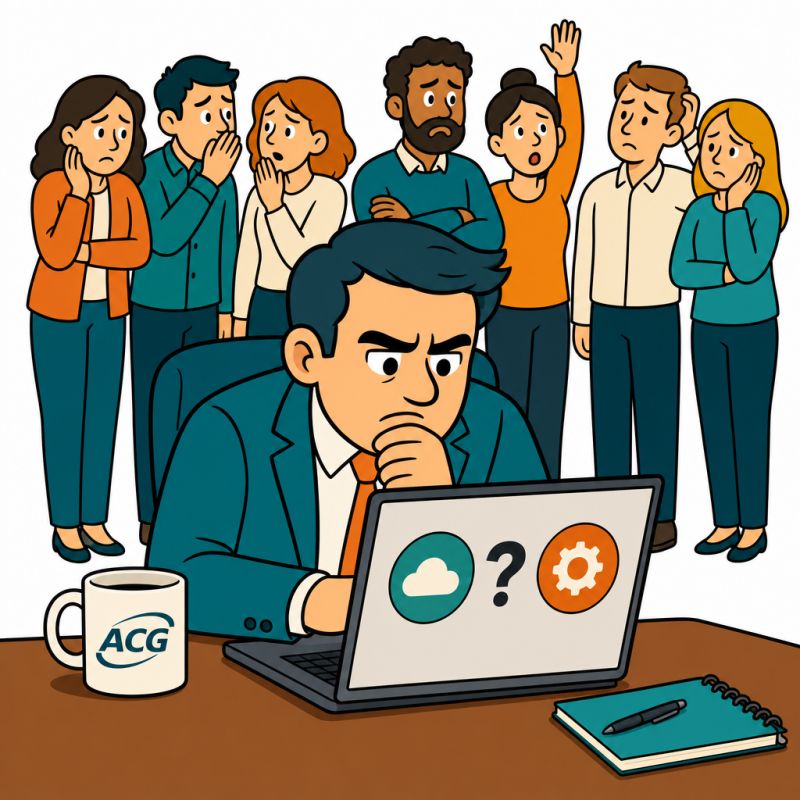
A competitor moved from exploration to execution while you're still comparing tools.
Three phases. Real outcomes.
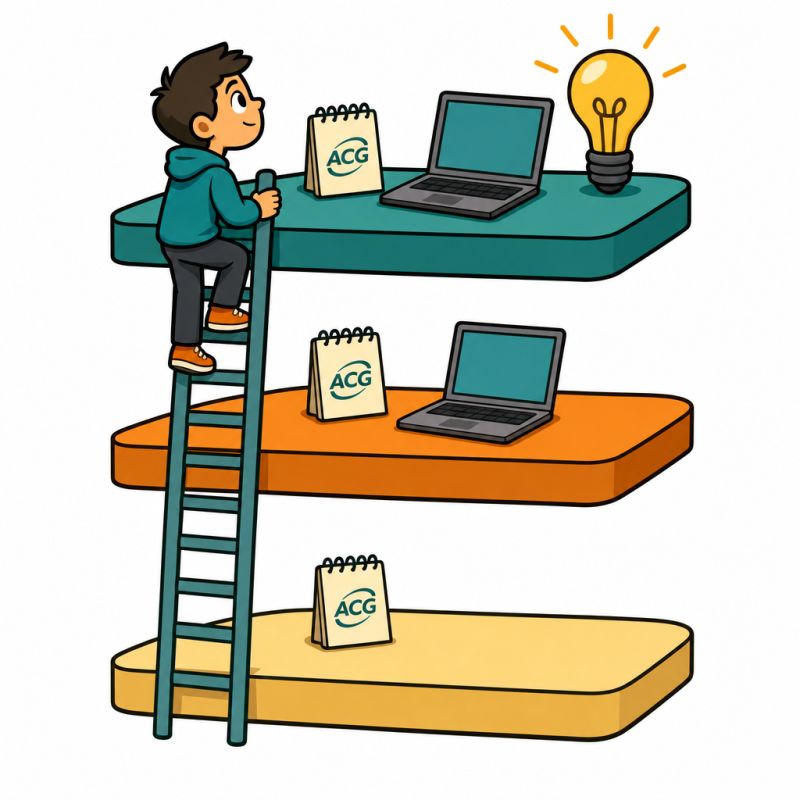
We embed inside your organization and deploy AI agents workflow by workflow. Discover the work. Deploy the systems. Operate the rollout.
Discover
We interview every department, map the work, score the opportunities, and build the governance to move fast without creating chaos.
- Stakeholder interviews across the business
- 100+ AI opportunities mapped and scored
- Governance, permissions, and acceptable-use guardrails
Deploy
We pick the top workflows, build the agents, connect the systems, and test against real work until the output is usable.
- Top 2-3 workflows selected and designed
- Agents integrated into real systems and data
- Hands-on change management with the people doing the work
Operate
We stay embedded, expand quarter by quarter, measure what changes, and transfer capability into your team over time.
- Quarterly expansion into new workflows
- Metrics tied to throughput, margin, and time saved
- Reusable playbooks and knowledge transfer
Two ways to work with us.
A project to build and deploy. Or ongoing leadership to keep your AI strategy evolving. Most clients start with one and add the other.
Project-Based
AI Engineering
We embed inside your organization, identify the highest-value workflows, and deploy AI agents that do real work. Quick wins in 30 days. Production systems by 90. You own everything we build.
Workflow-specific agents — not generic chatbots
Production deployment — real users, real data, real accountability
Full IP transfer — no vendor lock-in, no dependency
Multi-model architecture — right model for each task
30–90 day engagements
65% less than Big 4
Ongoing
Embedded AI Leadership
Senior AI direction without a full-time executive hire. We stay embedded in your organization — attending leadership meetings, setting technical direction, and keeping your AI strategy evolving quarter by quarter.
Leadership meetings — we sit at the table, not on a call
Technical direction — architecture, vendor, and build decisions
Quarterly roadmap — evolving strategy as the landscape shifts
Team enablement — building internal AI capability over time
Ongoing monthly
No recruiting. No ramp-up.
We leave working systems behind.
Board-approved roadmaps. Workflow-by-workflow deployments. Production systems with real users, real data, and real accountability.
$1B Research Organization
$24M AI Transformation Roadmap, Board-Approved
Ran a three-phase engagement across the organization: interviews, readiness assessment, governance, and roadmap design. The final board package secured approval for a $24M AI transformation plan.
Roadmap approved
Delivery phases
Board approval
$600M National Retailer
100+ AI Opportunities Mapped, Agents Deploying Quarter by Quarter
Embedded inside a 310-store retailer, interviewed every department, scored more than 100 AI opportunities, and are now deploying workflow-specific agents quarter by quarter with executive sponsorship.
Opportunities identified
Store locations
Deployment cadence
PE Firm AI Enablement
Portfolio-Wide AI Training & Board-Level Strategy
Partnered with a private equity firm to build AI literacy across their portfolio. Delivered executive training sessions, board presentations, and an HR summit. The engagement became the template for rolling out AI readiness across portfolio companies and directly sourced new client referrals.
Engagement value
Training tracks
Wide rollout
Pharma IT & Executive AI Readiness
From Skepticism to 15 Prioritized Use Cases in One Day
Ran a full-day AI leadership workshop for a pharmaceutical company's IT and executive team. Used the SEAM framework to move from skepticism to a prioritized list of 15 use cases. 30% teaching, 30% interaction, 40% hands-on application with their actual business data. The moment they saw AI working on their own problems, resistance evaporated.
Use cases prioritized
To alignment
Executive buy-in
Multi-Model Document Extraction
78% to 95%+ Accuracy, 40% Cost Reduction
Built a pipeline that routes different document types to different models. Gemini for structured tables, Claude for narrative text, OpenAI for OCR edge cases. Total processing cost dropped 40% because human review nearly disappeared.
Extraction accuracy
Cost reduction
Models orchestrated
Regional Law Firm AI Strategy
Executive Alignment in a Single Day
Facilitated a leadership session that transformed executive thinking about AI from fear and skepticism to a shared vision. Built a practical roadmap focused on document review, research automation, and client communication workflows.
Attorneys served
Priority workflows
Leadership buy-in
What happens when we show up.
“Within 60 days, we went from zero AI strategy to three pilots running in production. The speed and clarity they brought was unlike any consulting engagement we've experienced.”
COO, National Retailer
“They didn't just give us a slide deck. They sat with our teams and built the solutions alongside us. That hands-on approach made all the difference.”
VP Operations, PE Portfolio Company
“The leadership facilitation session completely changed how our executive team thinks about AI. We went from fear and skepticism to a shared vision in a single day.”
CEO, Regional Law Firm
Dispatches from the
deployment floor.
Weekly notes from real client engagements. What's working, what's breaking, and what we're learning about deploying AI agents in the wild.
The BI Role That No Longer Exists
“The job description changed faster than they could fill the position.”
Talked with a client this week who has been trying to hire a data analytics person for months. They've struck out on multiple candidates, and somewhere along the way, the role itself shifted underneath them. People across the organization started pulling their own reports using AI tools, and now the client is asking a fair question: do we still need this hire, or do we need a contractor to set up the foundation and revisit in 18 months? The job description changed faster than they could fill the position. What they really need hasn't gone away. Data governance, accuracy, business context for the numbers. But the delivery mechanism is changing so fast that committing to a full-time role feels premature. I'm seeing this pattern more often. The roles aren't disappearing, but they're shapeshifting mid-search.
Every Department Wants the Same Chatbot
“Three different teams described three different projects, but they were all asking for the same thing.”
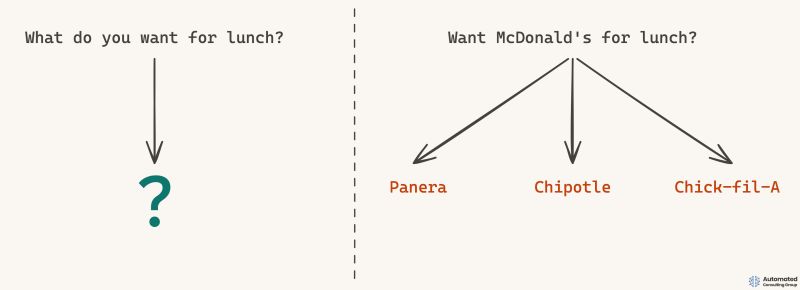
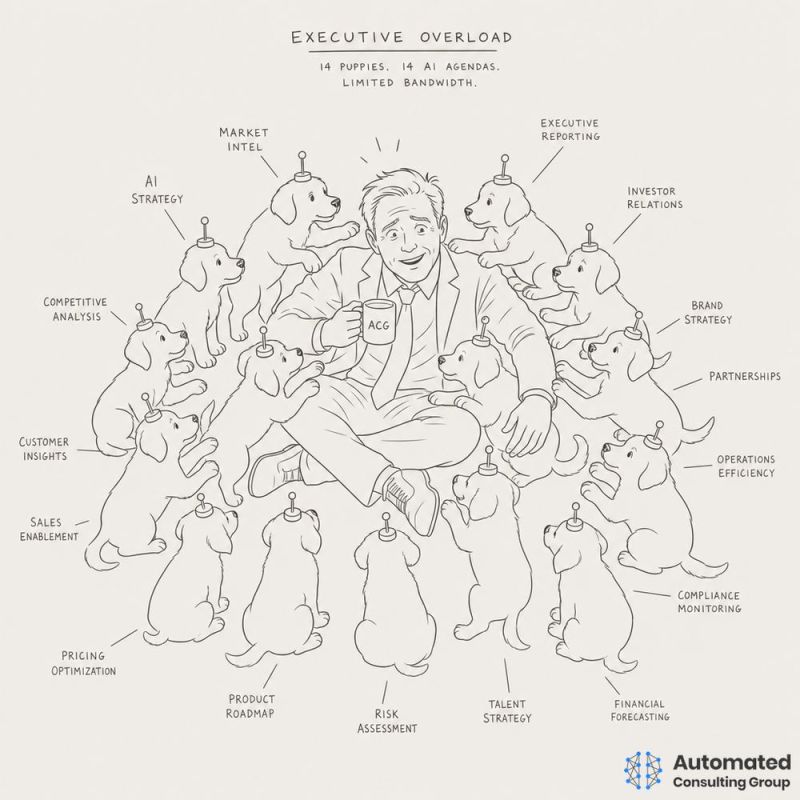
Reviewed notes from several conversations at a client this week and noticed something I probably should have caught sooner. Multiple departments, each with their own priorities and OKRs, had independently arrived at the same request: a conversational interface their teams could use to query internal knowledge. One group wanted it for franchisee support. Another wanted it for onboarding resources. A third was thinking about customer-facing use cases. Three different teams described three different projects, but they were all asking for the same thing. This happens more than you'd think. When a company doesn't have a central AI strategy, every group reinvents the wheel in parallel. The fix isn't complicated. Someone just has to notice the overlap before three separate tools get built.
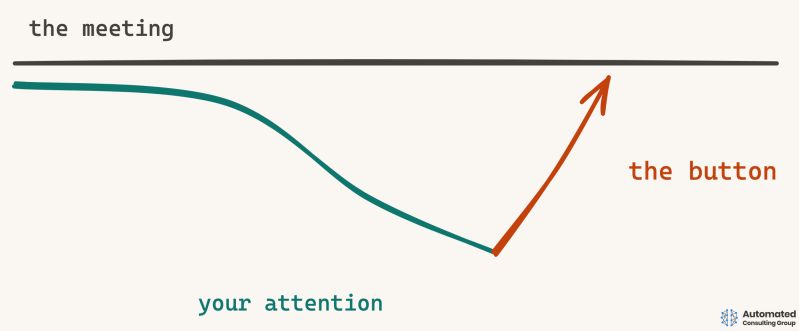
Meetings Are My Last 1x Bottleneck
“My productivity is 10x or 20x or 30x, but my meeting productivity is still 1x.”
Had a conversation with another consultant this week about productivity gains from AI. I rattled off all the things I've automated: meeting transcripts get downloaded and filed by client, action items turn into Google Tasks at end of day, LinkedIn posts get drafted from stories told in calls. Then I stopped and realized something. My productivity is 10x or 20x or 30x, but my meeting productivity is still 1x. Meetings haven't changed at all. I can only get so much done in a meeting, but outside of meetings I can do dramatically more now. Which means meetings are exponentially more expensive than they used to be. I'm building toward a system where I can just say things during a meeting and they happen. Send the agreement, schedule the follow up, pull the data. If meetings become working sessions instead of talking sessions, that's when the next jump happens.
The Billable Hour Problem Nobody Wants to Solve
“If I'm doing more with less, I got to actually bring in more clients to maintain the same level of profitability.”
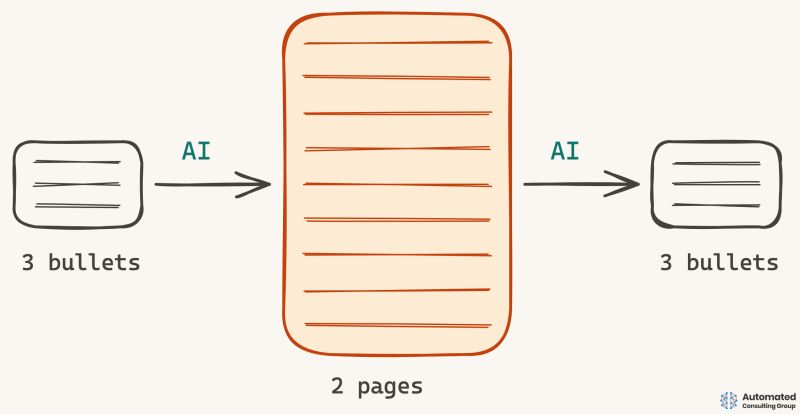
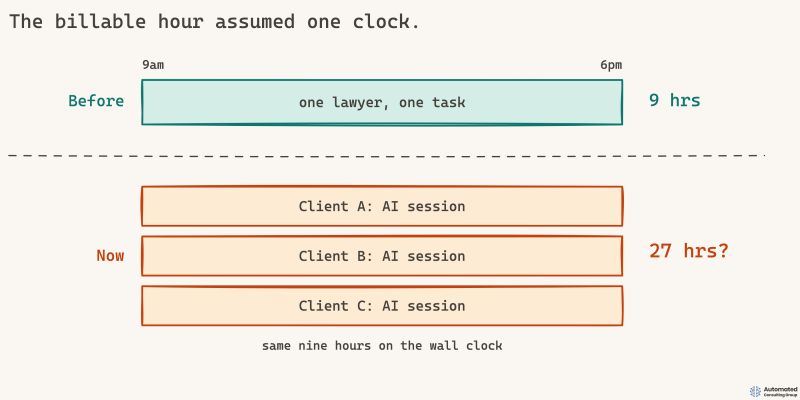
Had a conversation this week with a former consulting executive about AI adoption inside research and professional services firms. We got into the tension around billable hours, and he nailed it: if I'm doing more with less, I got to actually bring in more clients to maintain the same level of profitability. I keep running into this with law firms and consulting shops. The pitch is efficiency, but efficiency in a billable hour model means you just cut your own revenue. One firm I work with could automate a task that used to take five hours down to 30 minutes. Great, except now they bill for 30 minutes instead of five hours. The math works against adoption. Until these firms rethink their pricing model, AI is going to feel like a threat dressed up as an opportunity.
The Company That Never Built Software Before
“Having a software team is very expensive, and it's a whole new thing. Now it's not as expensive.”
Spent time this week with a client that has strong product market fit, great distribution, and loyal customers, but has never had an internal software development team. They've always outsourced tech and for good reason. Their leadership asked me to help them figure out an AI strategy, and my feedback surprised them: you should actually lean into technology. That's the opposite of what I tell most companies, where founders obsess over tech when they should be selling. But this client has the reverse problem. The CEO put it well when he said one employee was spending five days a month reading emails and putting them into a spreadsheet. Having a software team is very expensive, and it's a whole new thing. Now it's not as expensive. With a small internal team of two or three people, they could start building real capability. The trick is figuring out when something should stop running on someone's laptop and start running somewhere permanent.
The CEO Who Became a Developer Overnight
“He called me the next day and said it was the best thing he'd seen in 20 years.”
Showed a CEO a coding tool two weeks ago. He called me the next day and said it was the best thing he'd seen in 20 years. Now he's building internal reports, pulling data from email platforms, and generating analysis that used to take his team days. His president told me it transported the CEO back to the level of engagement he had 15 years ago when he was hands-on building the business. Meanwhile, at a completely different client, a law firm innovation team that started with basic document review is now building custom AI workflows on their own. The pattern is the same everywhere I look: the people moving fastest aren't waiting for permission or a formal strategy. They're just building.
Trends and insights from
inside the companies doing the work.
We're inside mid-market companies every week deploying AI agents. These are the patterns we're seeing, the lessons we're learning, and the shifts that matter most right now.
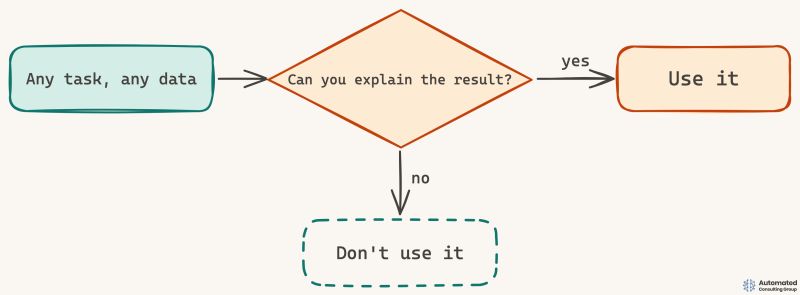
The AI Hallucination That Sounds True
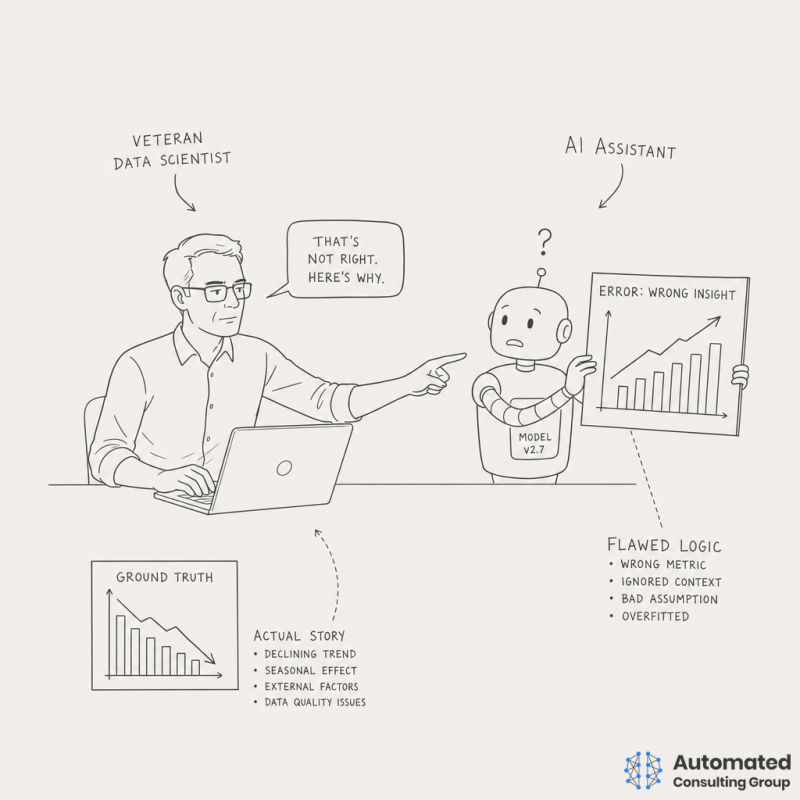
A client's AI model didn't say "I don't know"—it invented a plausible-sounding explanation instead. This failure mode is everywhere, and it's dangerously persuasive. Learn how to spot when your AI is bluffing versus actually delivering insights.
AI as a Multiplier Across Business Lines
AI isn't just about automating individual tasks—it compounds when you apply it across multiple business contexts. For organizations with diverse revenue streams, AI creates leverage that traditional tech adoption can't match.
Stop Sweating the Small Stuff
Founders often obsess over naming and branding decisions that rarely move the needle. The real competitive advantage lies in product quality and go-to-market strategy—save your energy for what actually matters.
AI Agents Transform Meeting Productivity
What if AI could execute tasks in real time during meetings instead of just capturing notes? One founder built a system that automatically handles action items, organizes files, and drafts content—turning unproductive meeting time into actionable business outcomes.
AI Governance: The Unsexy Foundation
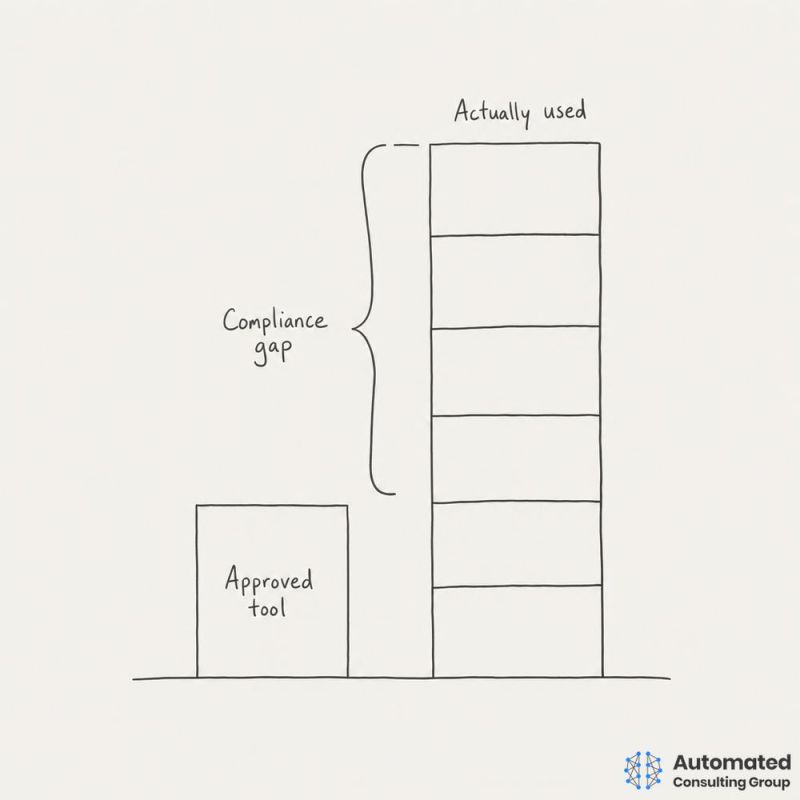
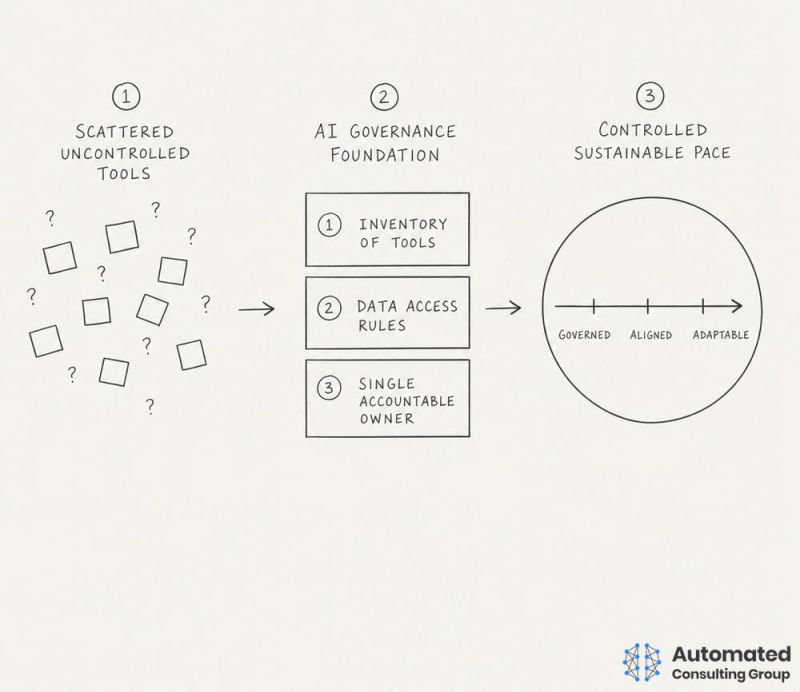
78% of business leaders can't pass an AI governance audit. Most mid-market companies have scattered AI tools with zero oversight—and no idea what data is going where. Here's the minimal governance structure that actually matters.
The Real AI Gap: Adoption, Not Innovation
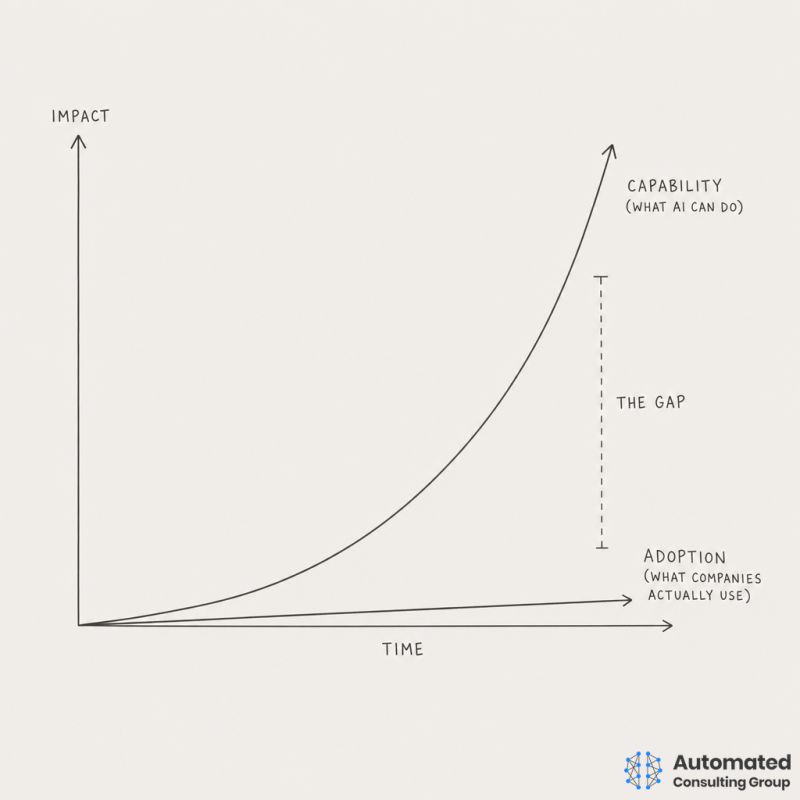
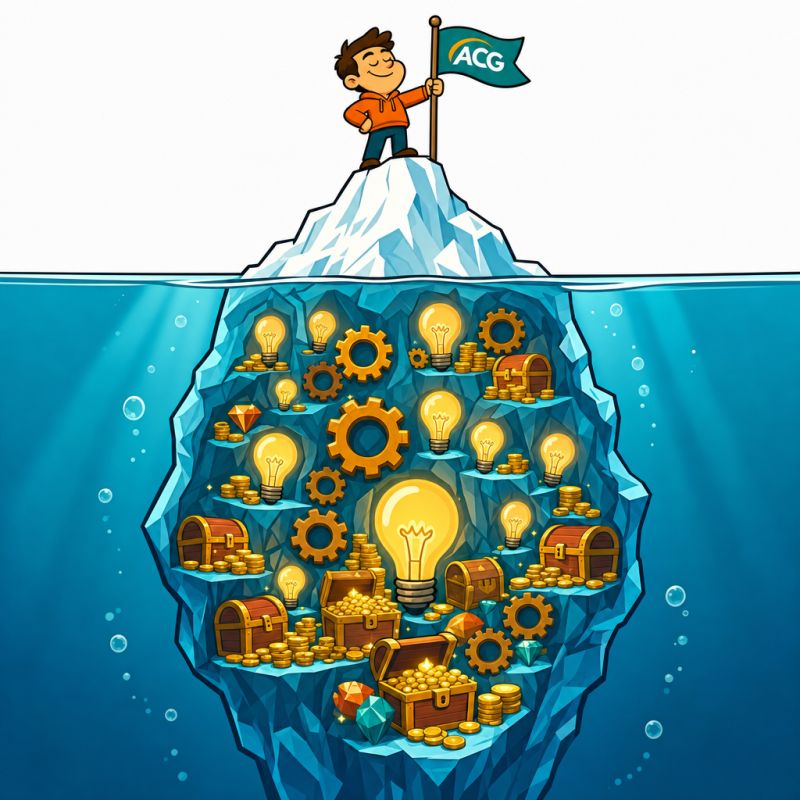
Most companies are sitting on 5-7 years of untapped AI capability while waiting for the next breakthrough. The real competitive advantage isn't accessing new models—it's auditing your existing tools and actually deploying them to the work that's draining your team's time.
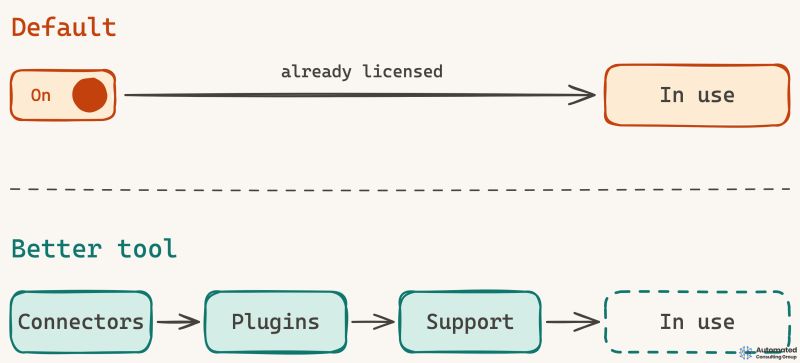
AI as a Privilege, Not a Default
Should new hires earn access to AI tools after proving they understand fundamentals? One client is flipping the debate: instead of asking "how much AI to restrict," they're asking "how do we ensure mastery before optimization?" A fresh framework for enterprise AI adoption.
Arguing With AI: The Real Work
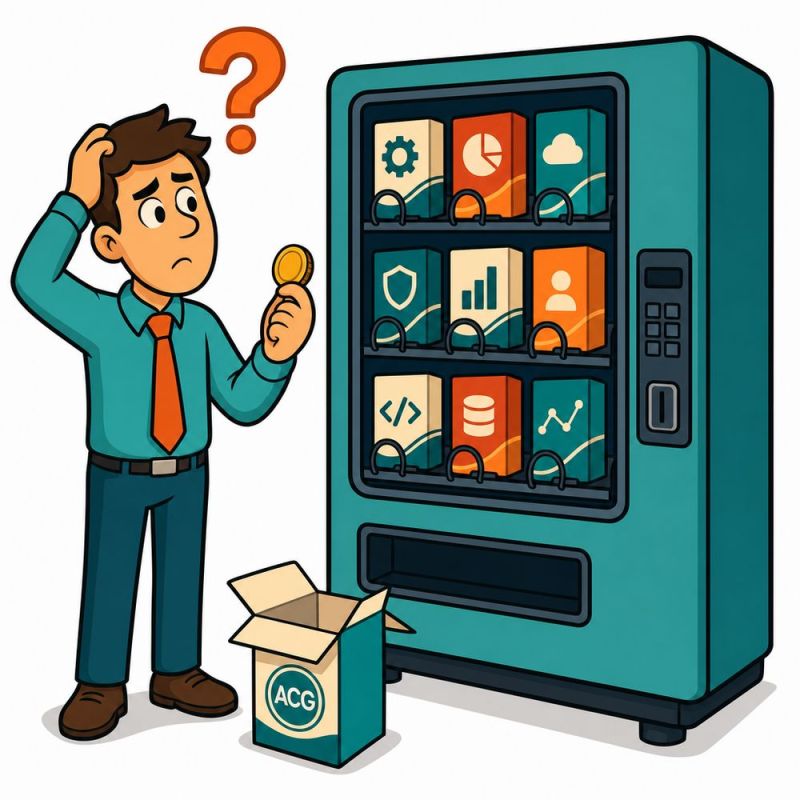
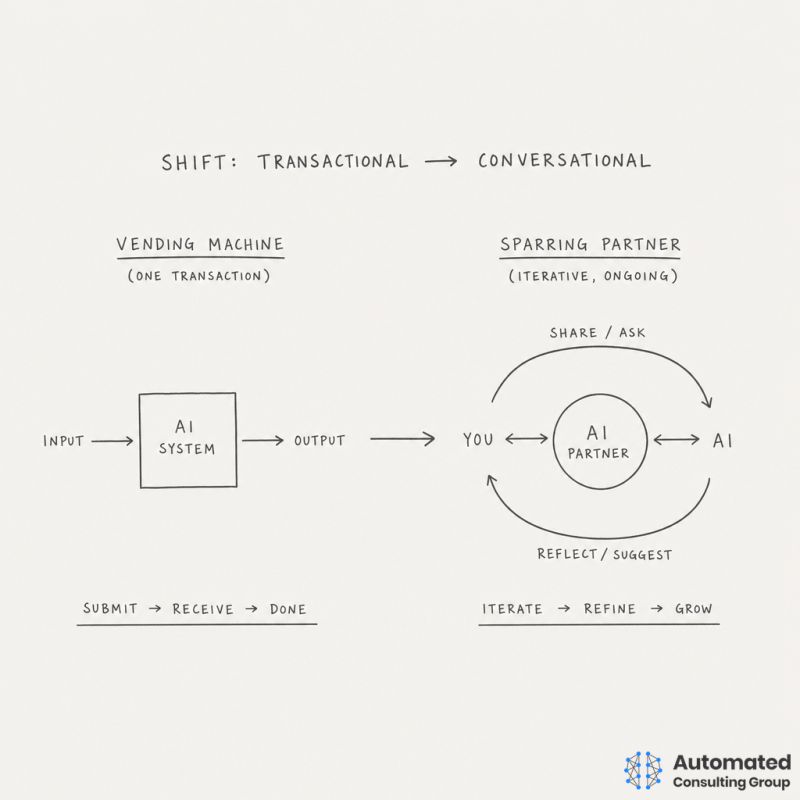
The most successful AI users treat it like a sparring partner, not a vending machine—engaging in iterative conversations to refine ideas rather than expecting finished outputs. This shift from viewing AI as a tool to normalize (like spell check) to embracing it as a collaborative partner is what separates early adopters from those who dismiss it.
AI Adoption is About Habit, Not Expertise
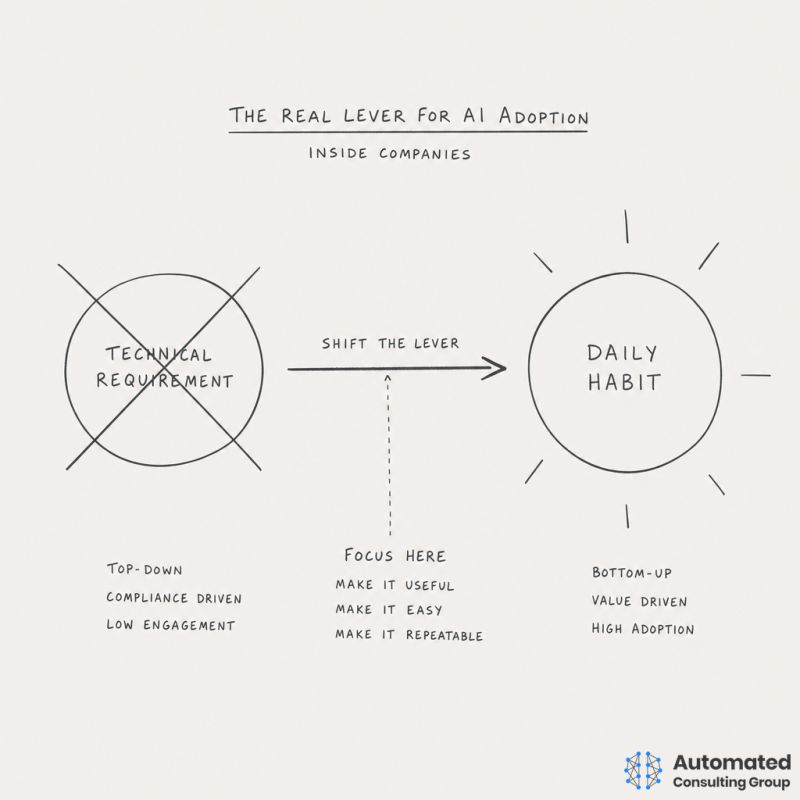
The real AI champions in organizations aren't technical wizards—they're the ones who've built the reflexive habit of reaching for AI tools daily. The biggest unlock in enterprise AI adoption isn't advanced prompting techniques; it's getting employees to internalize AI as a default tool, like Google or Slack.
Operators who build.
Not analysts who advise.
After 20+ years building AI companies and 170+ startup investments, we kept seeing the same gap: companies know AI matters, but they cannot get it to work inside the business. That's the gap ACG fills.
3 AI companies founded and acquired
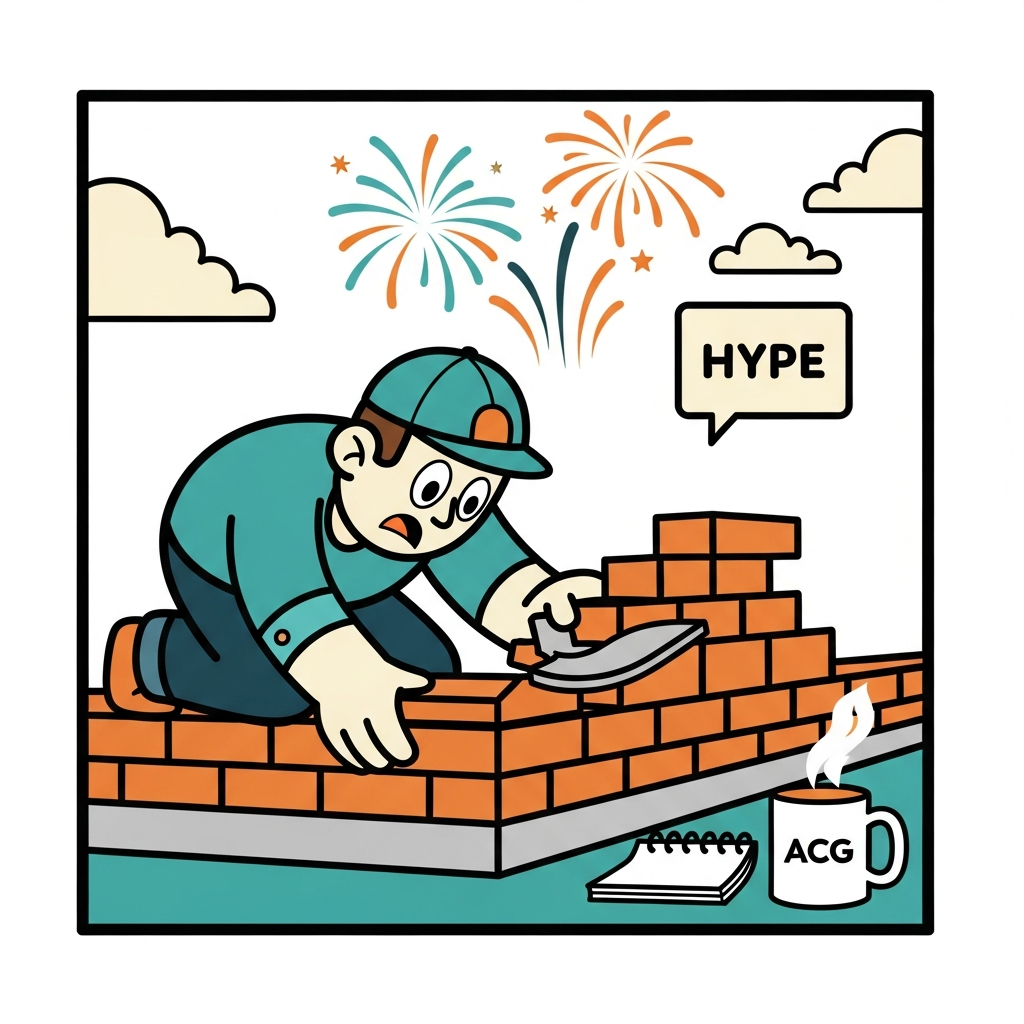
20+ years building AI systems before the current hype cycle
Senior operators only. No junior consultant bench.
Everything is built in your stack, under your accounts.
Founder
Managing Director
Founded Automated Insights, the first generative AI company, before co-founding Infinia ML and Bionic Health. Two Masters from MIT. Cisco's youngest Distinguished Engineer. 8 AI patents. 170+ startup investments.
The Team
Jamelle Eugene
Director of AI Transformation
An AI product leader, systems architect, and hands-on operator who turns complex workflows into production-ready intelligent systems. Builds automations, agentic workflows, and internal tools across SaaS, data, and operations to move teams from AI experimentation to measurable business outcomes.
Common questions
No. We bring the technical capability. Your team brings the domain knowledge. We build the systems, deploy them in your infrastructure, and train your people to operate them. If you later want to bring it in-house, you own everything.
You do. Everything runs in your infrastructure, under your accounts. No vendor lock-in. No dependency. When we leave, you keep running.
Quick wins ship in the first 30 days. Working production systems by day 60-90. Some clients extend into ongoing advisory. Most don't need to.
Mid-market companies doing $50M-$500M in revenue. Large enough to have real workflows worth automating. Small enough that a senior team can move the needle fast.

They send junior analysts to write slide decks. We send senior operators to build working systems. Our engagements cost 65% less and produce deployed AI agents, not PowerPoints.
Stop exploring.
Start deploying.
If your company has real workflows, real bottlenecks, and real pressure to act on AI, this is the model built for you.